









Raw Red Peppers
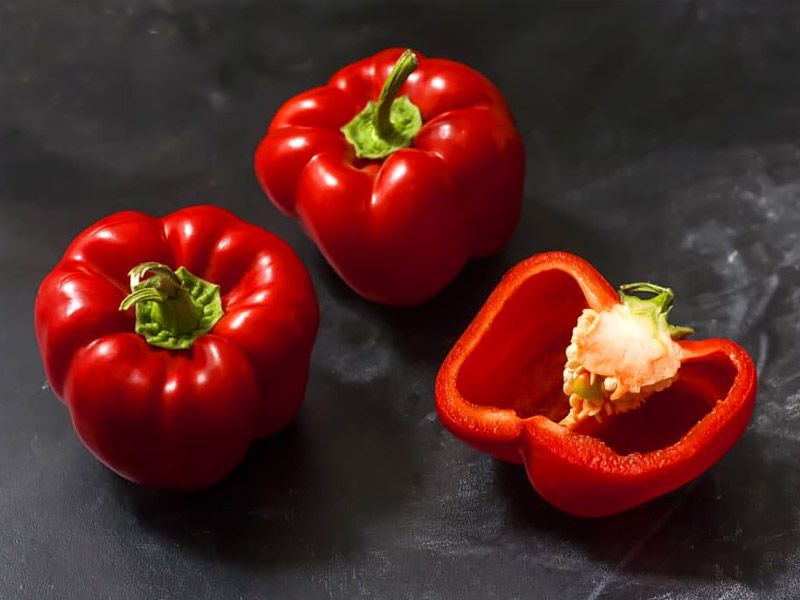
The vitamin C content of bell peppers is highest per calorie. That is beneficial to your eyes’ blood vessels and may reduce your chance of developing cataracts, according to science. Numerous fruits and vegetables, such as papayas, strawberries, cauliflower, and bok choy, contain it. Since heat degrades vitamin C, whenever possible, consume it raw. Colourful peppers are also packed with visually appealing vitamins A and E.
Sunflower Seeds and Nuts
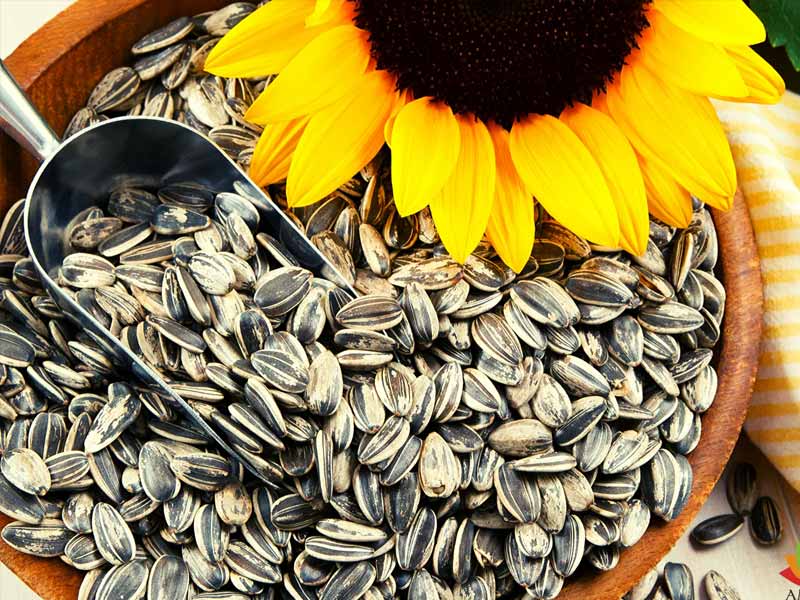
Half of the daily allowance of vitamin E for adults found in an ounce of these seeds or almonds. According to a comprehensive study, vitamin E and other nutrients can help prevent the progression of age-related macular degeneration (AMD). It might also aid in cataract prevention. Other foods high in vitamin E include peanut butter, hazelnuts, and technically speaking, legumes.
Deep, Leafy Greens
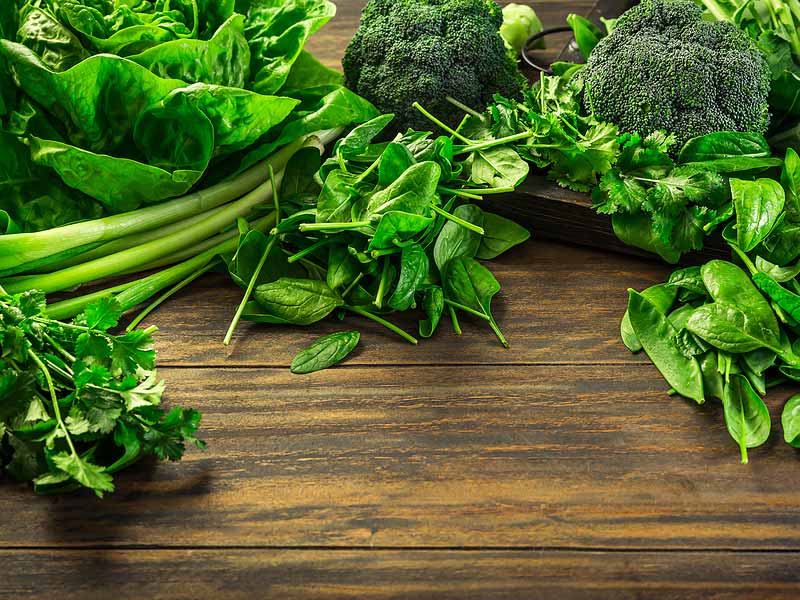
For example, kale, spinach, and collard greens are high in vitamins C and E. They also contain the carotenoids zeaxanthin and lutein. These plant-based vitamin A supplements reduce your chance of developing AMD and cataracts, two chronic eye diseases. When following a Western diet, most people don’t get enough of them.
Salmon
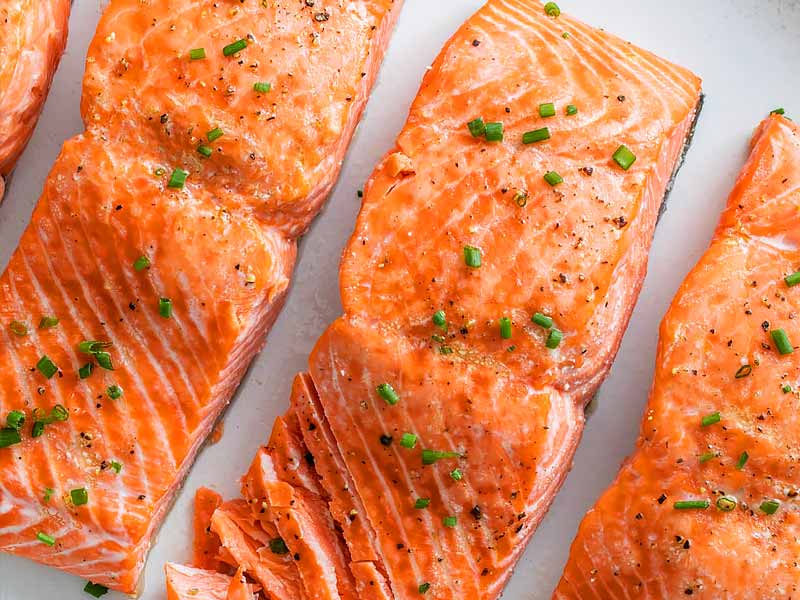
DHA and EPA are the two forms of omega-3 fatty acids that your retinas require to function properly. Both are present in other seafood and fatty fish like salmon, tuna, and trout. Additionally, omega-3s appear to shield your eyes from glaucoma and AMD. Dry eyes have been related to low levels of these fatty acids.
Sweet Potatoes
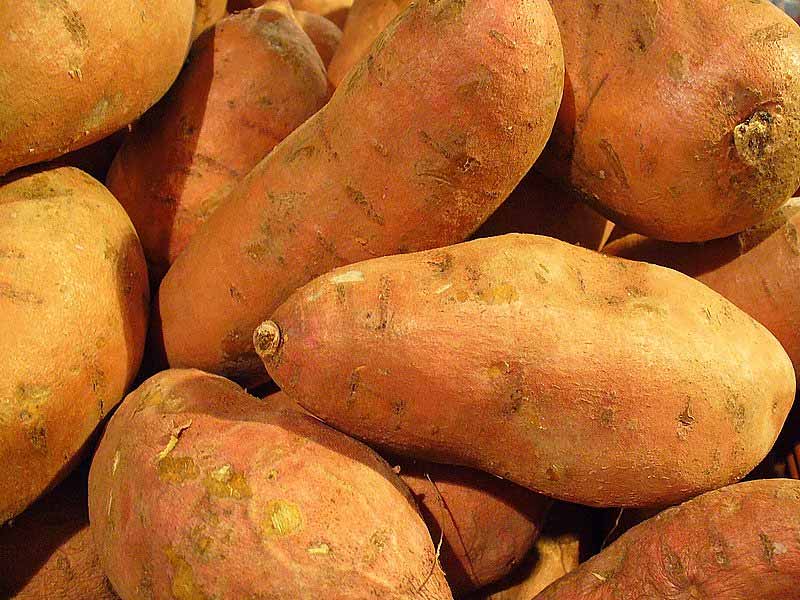
Sweet potatoes, carrots, cantaloupe, mangoes, and apricots are among the orange-colored fruits and vegetables that are rich in beta-carotene, a type of vitamin A that aids in night vision, or the ability of your eyes to adjust to darkness. A single sweet potato also provides a small amount of vitamin E and over half your daily requirement of vitamin C.
Lean Beef and Chicken
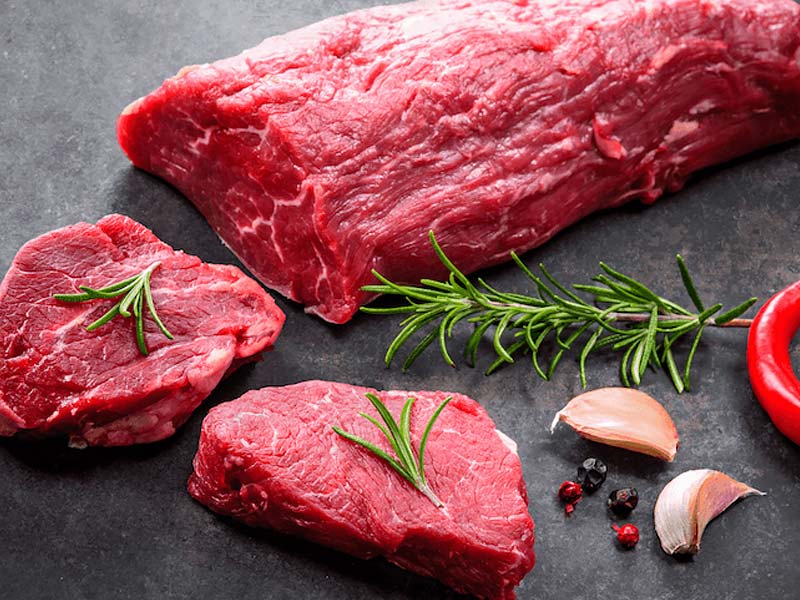
Zinc transports vitamin A from the liver to the retina, where it is needed to synthesise melanin, the protective pigment. No other food contains as much zinc per serving as oysters, but you don’t have to be a shellfish enthusiast to get enough of them: Good sources include pork, beef, and chicken, including the dark and breast meat.
Also read: 5 Yummy Yet Healthy Indian Snacks To Pack For Your Trip
Legumes and Beans
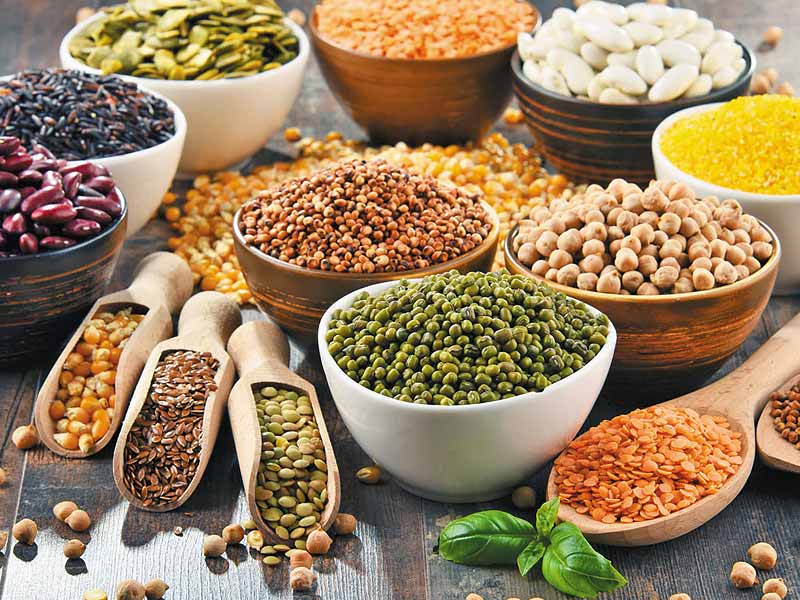
Do you prefer a low-fat, high-fiber, vegetarian option to help slow AMD and maintain nighttime vision? Lentils, kidney beans, black-eyed peas, and chickpeas are also rich in zinc. Additionally, a can of baked beans will work.
Eggs
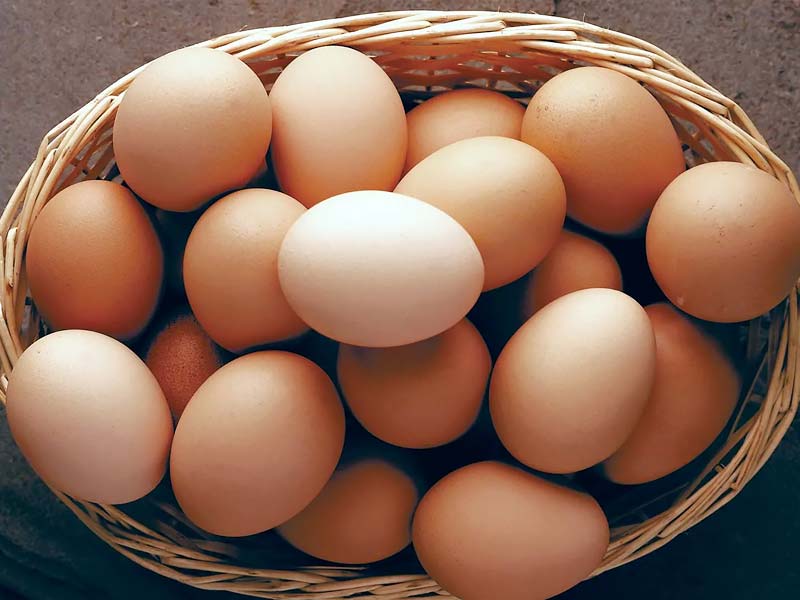
This package deal is fantastic: The zinc present in eggs facilitates the body’s utilisation of lutein and zeaxanthin found in the yolk. These substances’ yellow-orange hue protects your retina from damaging blue light. They aid in increasing the macula’s (the area of your eye that regulates central vision) level of protective pigment.