









Have you heard about the town of Munsiyari in Uttarakhand? Or do you want to visit Munsiyari in Kumaon on your next Himalayan adventure? This Munsiyari travel guide will address all of your queries regarding arranging a great Kumaon vacation.
Munsiyari is one of the most beautiful locations in India, located in the Kumaon highlands of Uttarakhand. It’s the most beautiful spot I’ve ever seen, and the enticing valley encircled by snow-capped Himalayan peaks is something everyone should see at least once in their lives.
There’s a reason Munsiyari sits at the top of our list of unusual locations in Kumaon – Uttarakhand. Getting to such areas is indeed tough, but it is also equally fruitful. The scenery is stunning, there is peace and quiet everywhere, and the people are friendly.
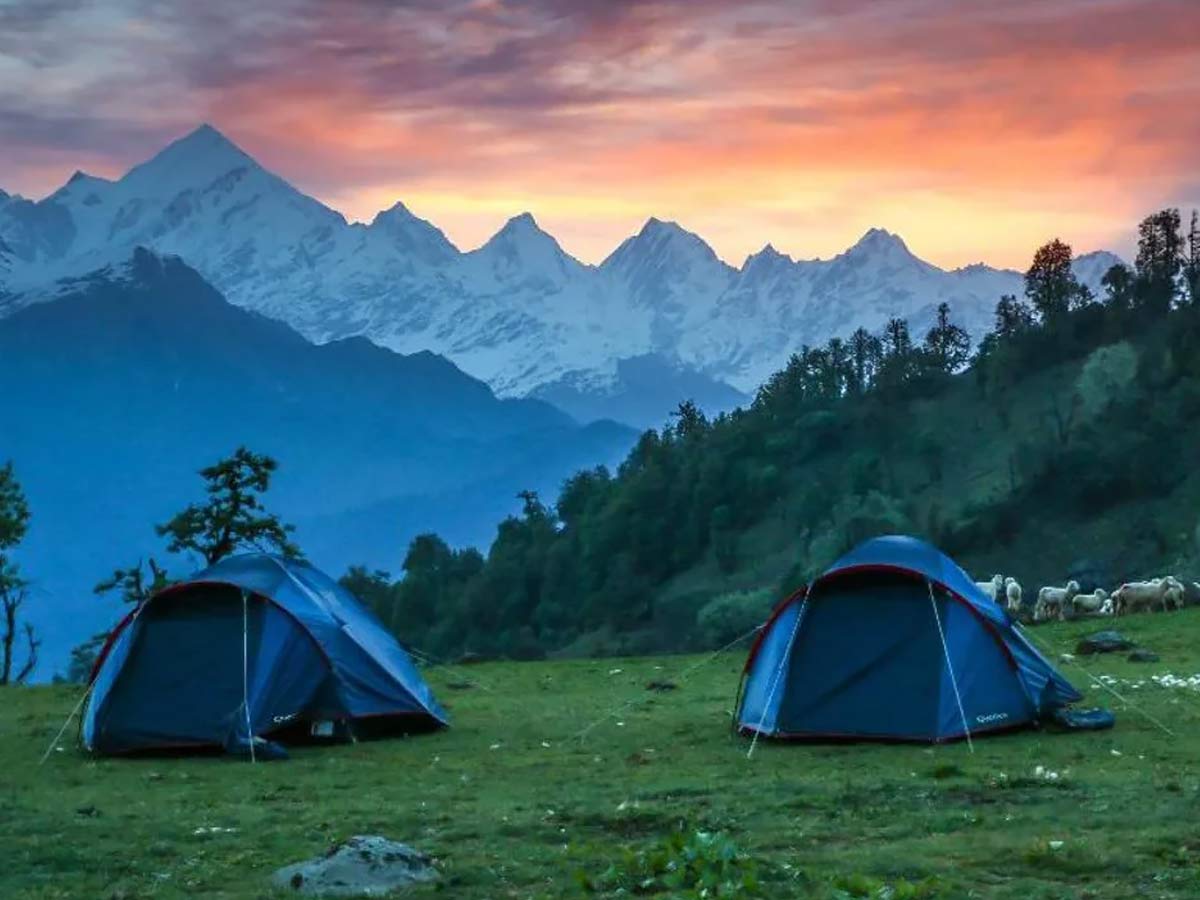
Munsiyari, located in a rural region of Uttarakhand, is widely renowned for its quaintness and sunset-sunrise views from Panchchulli Peaks. It has the greatest views of the five sister peaks of the Himalayas and is easily accessible by road. Apart from providing an out-of-the-way experience away from the crowds, Munsiyari is the starting point for several Himalayan treks. As a result, it is also known as a trekker’s heaven.
Munsiyari provides several different difficulty level hikes, whether you are a beginner or an experienced trekker.
So, if you want to see golden Himalayan dawn or sunset from the balcony of your hotel, pack your luggage and head to Munsiyari. Similarly, whether you enjoy walking, climbing, or camping, you will be pleasantly pleased by the attractiveness of this small village in Kumaon.
Munsiyari’s Mythology
The Panchachuli range is made up of five snow-capped Himalayan peaks. ‘Panchachuli’ is derived from two Hindi words: ‘Pancha’ (five) and ‘Chuli’ (chimney).
According to mythology, the five peaks represent the five cooking hearths (chuli) of the five Pandav brothers, who cooked their last supper on these peaks before ascending to heaven, thus the name “Panchachuli.”
Another idea is that this region was originally part of the old Nepal Kingdom. Because ‘Pancha’ means five and ‘Chuli’ means peaks in Nepalese, the five peaks were named Panchachuli.
Also Read, Kanatal: A Lost Hamlet in Uttarakhand…
Munsiyari’s History
The Indo-Tibetan border was closed as a result of the Sino-Indian War in 1962. As a result, the prosperous lifeblood of the Bhotiyas, whose major employment was trade with the Tibetans, came to an end.
The loss of commerce caused significant changes in the transhumant (seasonal movement of humans and animals between fixed summer and winter pastures) way of life.
Since then, the Bhotiya tribes have mostly had semi-agrarian and semi-nomadic lives.
Folklore

According to legend, the Johar valley was formerly inhabited by enormous serpents known as ‘Nagas.’ All but one of the serpents were martyred by the Garuda, a bird who serves as Lord Vishnu’s mount an emblem!
Garuda was killed by an emissary of Shaukya Lama before it could slay the last Naga. The enlightened guru, taken by the beauty of the location, decided to make the valley his home.
As a result, the Shaukya tribe arose and continues to inhabit the area.
Location
Munsiyari is located in the Pithoragarh district of Uttarakhand and has a height of roughly 7,590 feet or 2300 meters. It is located on Tibet’s old trade route and serves as the gateway to the Johar Valley. The views of snow-capped Himalayan peaks are the highlight of this unusual Uttarakhand destination.
It is also known as ‘Little Kashmir.’ From here, one can view the beautiful ranges of the ‘Panchachuli Peaks,’ a collection of five peaks and one of Munsiyari’s most prominent tourist attractions.
When is the best time to visit Munsiyari?
Munsiyari, with its stunning vistas and wonderful weather, is a year-round destination. Munsiyari is best visited between March and June and from mid-September until the end of October.
This time of year is also great for hiking to neighboring glaciers.
Spring and summer – During the spring and summer months (March to early June), the days are extremely nice in Munsiyari, and light woolens will suffice at night. It’s strange to wander through rhododendron forests in bloom.
Summers provide uninterrupted views of Rambha, Shiplakot, Nandakot, Nandaghungti, and Panchachuli peaks. This is most likely the ideal time to visit Munsiyari.
Monsoon – The monsoon season in Munsiyari is quite interesting. The minute you decide to soak up the rays of the sun, your intentions may be derailed by the appearance of rain clouds in the sky.
Monsoon season is not the ideal time to visit because of severe rainfall and landslides, making transport and sightseeing difficult, not to mention the unpleasant arrival of bloodsucking leeches.
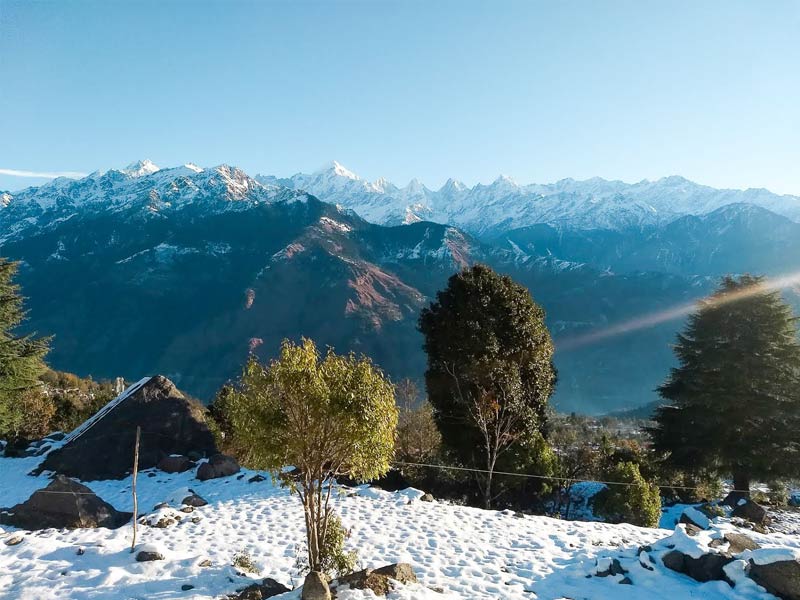
Winter is Coming — Whether you’re a ‘Game of Thrones’ lover or not, you’ll undoubtedly like the snow-covered hamlets of Munsiyari. To defend oneself from the stinging cold, wear heavy woolen clothes.
Munsiyari tourist attractions
Munsiyari is located in Uttarakhand’s Pithoragarh district. The wonderful thing about Munsiyari is that you may visit at any time of year. Throughout the year, the town is very lovely. The majority of this tiny hill station, located at an elevation of 2300 meters, is blanketed with snow. Munsiyari, also known as the “Mini Kashmir of Uttarakhand,” entices travelers with breathtaking mountains, waterfalls, lush vegetation, and adventurous trekking paths.
If you enjoy trekking or other outdoor activities, Munsiyari is the place to be. This tiny heaven in Uttarakhand is also well-known for its diverse flora and wildlife. Here are some of the most important things to see and do in Munsiyari.
Panchachuli Peaks
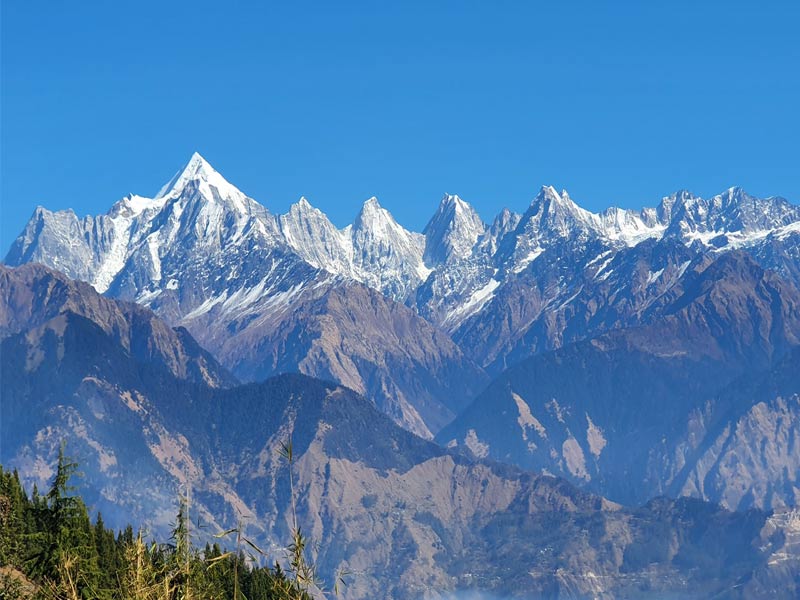
The Panchchuli peaks are five snow-capped Himalayan peaks located in the eastern end of the Kumaon area, near Munsiyari, in Uttarakhand’s Pithoragarh district.
The Panchachuli peaks are the most visible from several Kumaon hill stations. You may see a stunning sunrise in the morning and sometimes a magnificent moonrise shortly after dusk from Munsiyari.
The Birthi Falls

A 35-kilometer trip from Munsiyari will take you to the Birthi Falls, the natural beauty of this town. Birthi Falls will be seen on your approach to town, but you should schedule a 2-3 hour visit to this incredibly lovely spot to unwind and spend some calm time. Birthi Falls is a popular picnic site in Kumaon for both residents and visitors.
The waterfall location may be reached through a hiking trail. The trip to Birthi Falls is loaded with adventure and enjoyment for trekkers. Because there is no railing, the journey is extremely breathtaking. Another draw to this area is the distinct array of butterflies and sparrows that flutter around.
Kalamuni Top
Kalamuni top is another tourist attraction that may be visited on the route to Munsiyari. This tiny village is 14 kilometers from Munsiyari and is located at the height of 9,600 feet above sea level. The location is particularly well-known for its spiritual and religious beauty, which includes an old temple.
Locals and Hindu visitors frequently visit Kalamuni top to pray to the temple’s primary deity, “Goddess Kali.” This location is well-known for Panchachuli Mountain, in addition to its religious attractiveness.
Thamri Kund
Thamri Kund is the place to go if you’re looking for a revitalizing and refreshing lake in the Kumaon region. To get to this Lake, you’ll have to take an exciting hiking route through a deep and lovely forest. Because the walk from the major town takes 7-8 hours, you should start early in the morning. After hours of wandering and touring, it feels great to rest and relax for a bit when you get to your destination.
Thamri Kund is bordered by dense alpine forests, which adds to the overall beauty of the location. Bring your camera so you may capture the magnificence of the beautiful Lake. A musk deer may also be seen wandering around the Lake and sipping from the crystal pure water.
Madkot
Madkot, located 5 kilometers from Munsiyari, is well-known for its hot water springs. The hot water that emerges from Madkot is said to have miraculous healing properties. Locals think that the hot spring may treat skin issues, rheumatism, bodily pains, and other medical conditions.
Also Read, Auli: Your best Skiing expedition in India
Munsiyar, Pithoragarh Food
Munsiyari’s food is inexpensive. Local street vendors/Dhabas usually provide wonderful Indian and Kumaoni cuisines, with a lunch for one costing between Rs. 80 and Rs. 150. Basic restaurants serve Indian, Chinese, continental, and Kumaoni food, and a dinner for one might range from Rs. 200 to Rs. 500. To be on the safe side, stick to local food; it’s locally farmed, so it’s fresher, healthier, and, of course, less expensive.
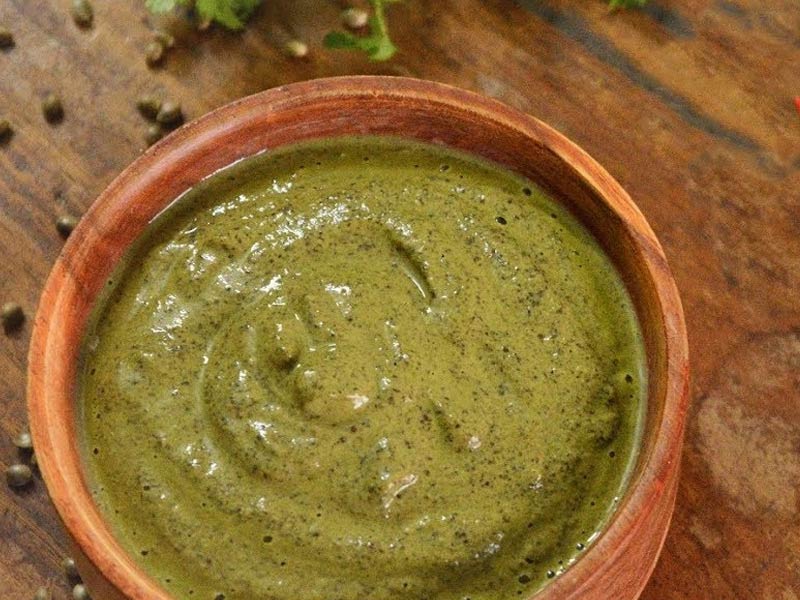
Chutney made with Bhang.
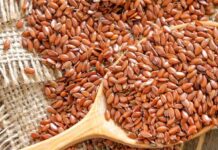
Try the rustic flavor of “bhang ki chutney,” a traditional Kumaoni side dish. This tangy-sweet chutney is created with roasted Bhang (Hemp Seeds) and jeera (cumin seeds), as well as Pudina leaves and lemon juice.
Unlike the plant from which they originate, Hemp Seeds are not psychotropic. They are an important pantry staple in Kumaoni kitchens.
I highly recommend the sweet and tart Bhuransh drink (Rhododendron flower juice) prepared locally by Maati women and sold at the Sanghthan office in Sarmoli. It has a lot of sugar in it, but it’s really refreshing.