















Umesh Kulkarni’s three-part Netflix documentary revisits Akku Yadav’s 2004 lynching in a Nagpur courtroom.
The new season of Netflix’s real crime series Indian Predator opens with a song and continues in the style of an oppressed ballad. Murder in a Courtroom revisits the August 13, 2004 lynching of career criminal Akku Yadav in Nagpur’s district court. According to reports at the time, Yadav, who was escorted by police, shackled to another convict, and on his way to court, was viciously beaten by a crowd of roughly 50 persons, most of whom were Dalit women.
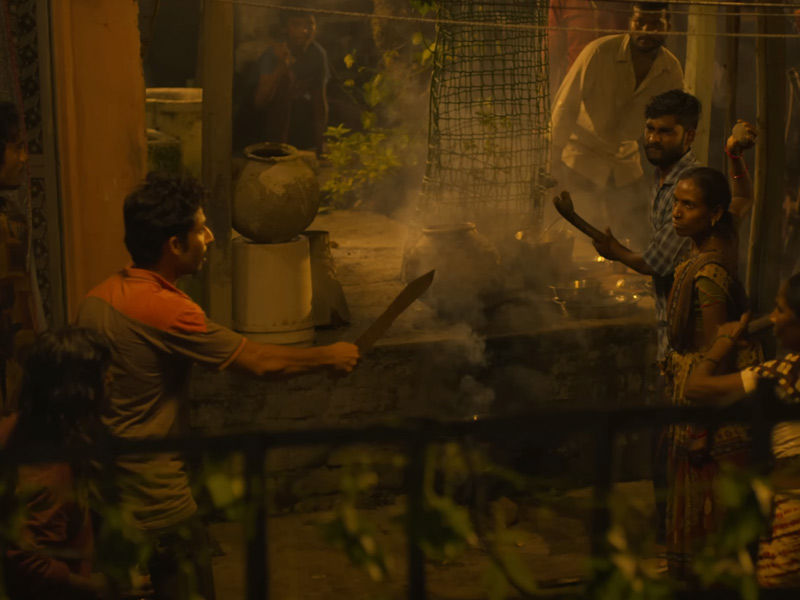
As the frightening episode became an urban legend, fifty became 200 (no more, no less) and ultimately “hundreds.” Although males were present during the assault on Yadav, it was later revealed that the act was carried out only by women.
The once-in-a-lifetime story was widely publicized by television networks. Reporters used their most theatrical accents to recount the facts of the case. A typically circumspect NDTV 24×7 host urged viewers to vote on whether the women were correct (SMS yes!). The same court acquitted 18 accused people in 2014, claiming inadequate evidence.
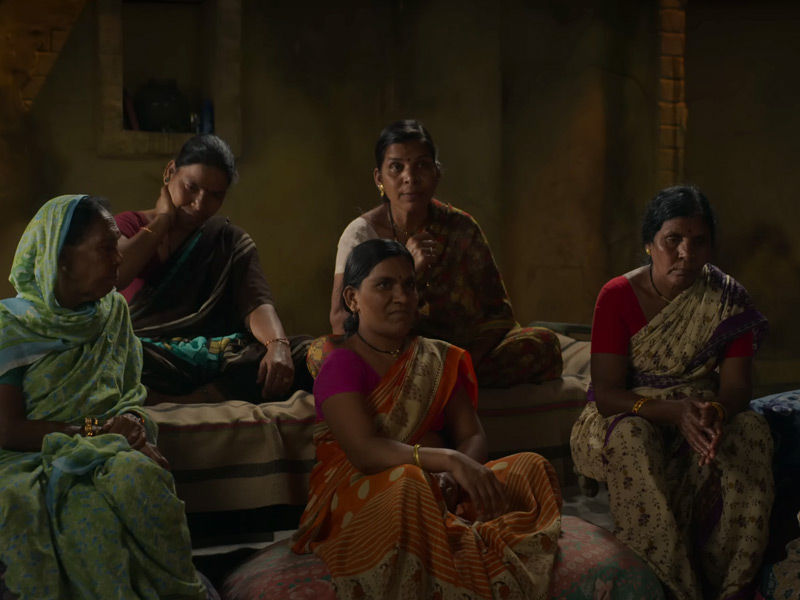
Murder in a Courtroom has its roots in Nagpur’s Kasturba Nagar slum, where Yadav was born and spent most of his adult life terrorizing residents. Interviews are conducted with Yadav’s friends, his family’s lawyer, journalists, and the man who was chained to Yadav as he was being hacked to death.
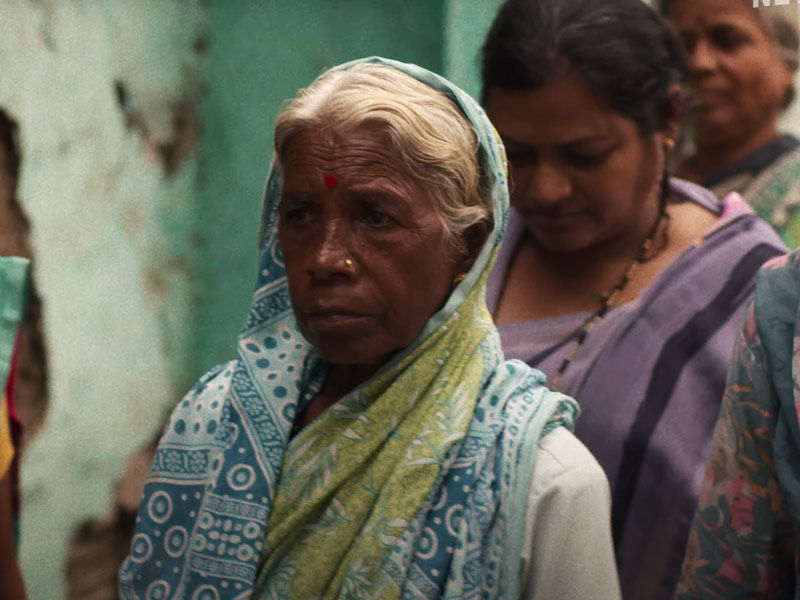
The most outspoken are women, many of whom Yadav reportedly harassed and assaulted. The ladies of Kasturba Nagar are wonderfully open and feisty in what is undoubtedly a documentary treasure.
The serial murderers Chandrakant Jha and Raja Kolander were the subjects of the previous two seasons of Indian Predator. The new season is driven by an unusual question: who is the true killer here? Yadav’s victims were women. Or competing gang members masquerading as mob justice?
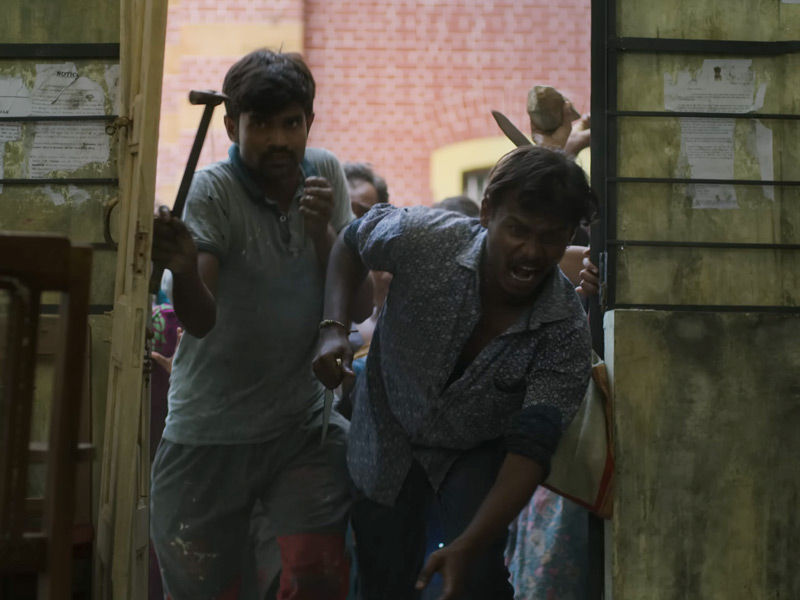
It’s not every day that vigilantes gather in front of a camera to admit to their involvement in an infamous crime. We feasted on mutton the day the swine died, some of the women boast.
Murder in a Courtroom is more inquisitive and thorough than its predecessors in its pursuit of an alternate story. However, the subject’s nature – gory, spectacular, unprecedented, with undercurrents of class, caste, and female honor – steers viewers in a particular way.
Also, Read Ram Setu: Akshay Kumar’s movie turns out to be a disappointing torture
Umesh Kulkarni, a well-known Marathi director, wrote and directed the latest season. Some of the deliberation with which Kulkarni directed films like Valu, Vihir, and Deool, as well as his empathy for slum inhabitants, provide weight to Murder in a Courtroom.
The lines “It’s all true, it’s all fake” serve as both a disclaimer for the three episodes and a summary of the true crime documentary genre as a whole. The lynching of Akku Yadav was surreal, but it also mirrored scenarios from 1980s vigilante films. The incident inspired the 2021 film 200 – Halla Ho, which starred Rinku Rajguru and Amol Palekar.
Murder in a Courtroom has its share of cinematic moments, most notably in the recreations of Yadav’s origins and reign of terror. In an odd scenario, two slum women act out their failed attempt to murder Yadav.
In Murder in a Courtroom, the boundary between truth and fiction, which is joyfully stamped upon by the true crime documentary, is always shaky. While the program is the meatiest chapter in the Indian Predator series yet, it is hampered by the constraints of its format.
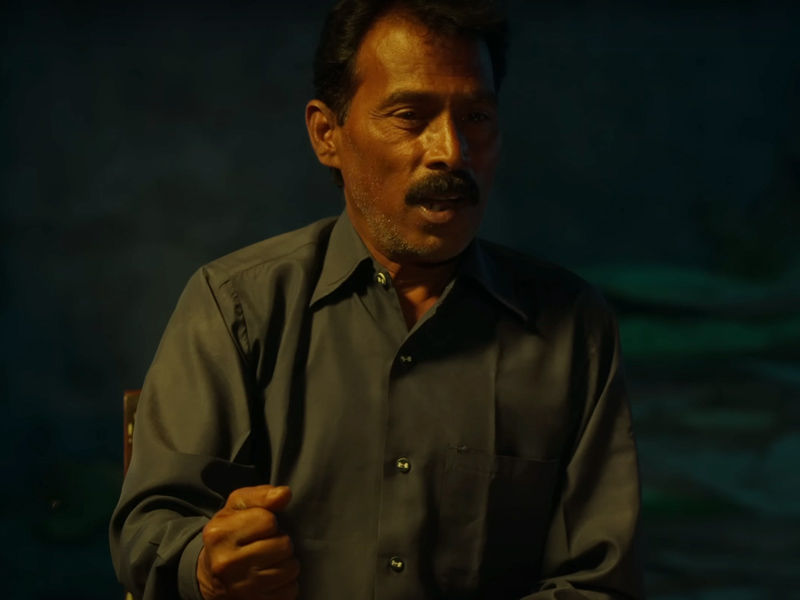
Doubts regarding Yadav’s death are mostly expressed by his acquaintances and journalists, one of whom criticizes the women who accused Yadav of repeated predatory behavior. This might be a fascinating web series, observes reporter Sanjay Tiwari sarcastically.
Tiwari further claims that “the whole Vidarbha Ambedkarite movement has been hijacked by so-called Urban Naxalites.” An activist wonders why Yadav primarily targeted Dalit women. The question itself provides an answer.
We don’t hear anything from the cops, who appear to have let Yadav go wild for over a decade. But we do get a sense of systematic negligence, with the implication that Yadav roamed free because the cops were either too fattened by corruption or didn’t give a damn about his victims.
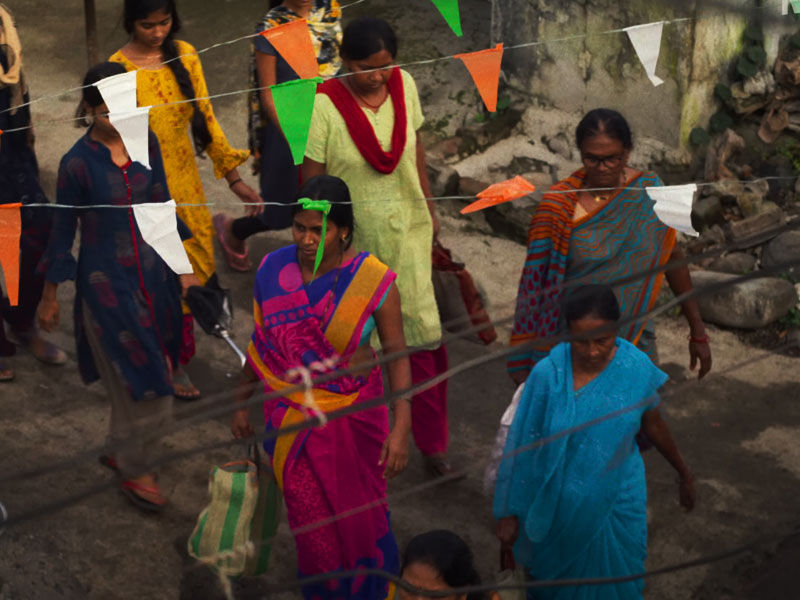
Some of the recreations may have been sacrificed to allow for a more in-depth examination of the lynching’s aftermath. The anxiety created by Dalits taking the law into their own hands could have been a separate episode, but it is only mentioned briefly.
In some respects, Kasturba Nagar’s story begins after the lynching. Murder in a Courtroom, on the other hand, is more concerned with praising the ladies for their bravery. The implication that the act was justified and that the culprits should be recognized is perhaps its most peculiar component.