















There are techniques that analyze IVF-created embryos to pinpoint particular genetic traits. Is it possible to regulate a child’s gender and incorporate it?
In a world where science and hope collide, in vitro fertilization, or IVF, becomes a viable option for couples hoping to create a family. However, a few myths persist, such as the idea that IVF is an artificial process rather than a natural one and that pregnancy only rests on a woman. Health professionals claim that IVF is like science’s guiding hand, realizing many people’s aspirations of becoming parents. The process involves accepting possibilities, learning about the procedure, finding support, and dispelling falsehoods.
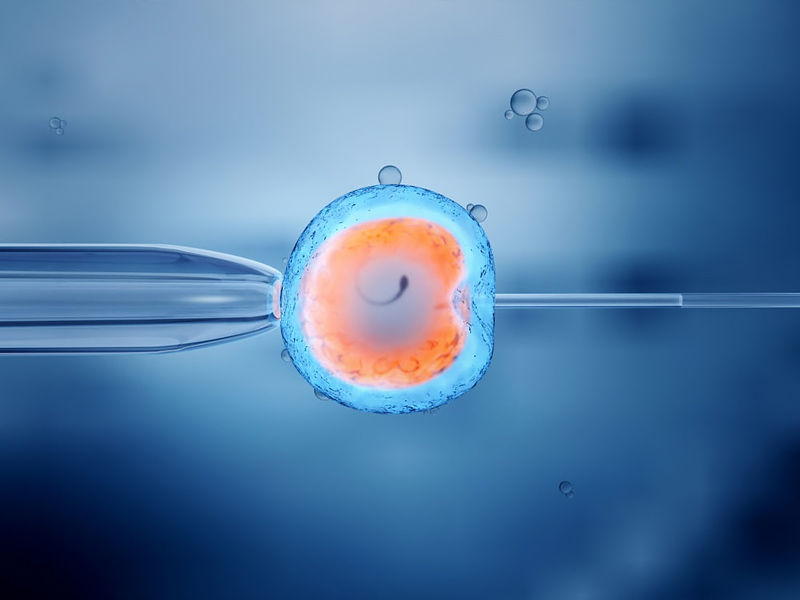
IVF helps families realize their goals one step at a time, but research indicates that certain techniques entail examining IVF-created embryos to pinpoint particular genetic traits, including gender.
“As healthcare providers, we recognise the extraordinary advances achieved by science in identifying a child’s gender during IVF, particularly through procedures like preimplantation genetic testing (PGT).” said Dr. Nishi Singh, Head of Fertility at Prime IVF, in an interview with HT Lifestyle. The ethical ramifications of this practise, however, are significant and demand serious consideration. It is important to realise that certain countries do not permit gender selection, which reflects the moral complexity of this issue.
“It is important to emphasise that, in accordance with the fundamentals of medical ethics, doctors should not support or participate in gender selection for the sole goal of personal preference or family planning,” she continued. In the context of IVF, gender selection need to be reserved for dire situations, particularly those involving illnesses that are specific to one gender. In certain cases, choosing the child’s gender may be medically necessary to reduce or eliminate the hazards brought on by these genetic disorders.
Dr. Nishi Singh elaborated on the topic of IVF gender control, saying that if the procedure is done improperly or unethically for gender selection, then legal and regulatory restrictions may be placed. To protect the integrity of the medical field and prevent the misuse of these techniques, healthcare professionals must adhere to strict ethical standards and ensure that gender selection is considered only when medically necessary to treat rare and severe genetic disorders. This approach acknowledges the more significant ethical and cultural concerns related to gender selection while promoting the moral and responsible use of IVF technology.
“The relationship between in vitro fertilisation (IVF) and a child’s gender constitutes a multidimensional investigation that weaves together technical breakthroughs, ethical issues, and cultural conventions,” stated Jagatjeet Singh, Co-Founder of Baby Joy IVF. With IVF, a child’s gender cannot be entirely determined. However, in the context of assisted reproductive technologies, gender selection options have expanded thanks to preimplantation genetic testing (PGT). PGT facilitates the genetic evaluation of IVF-created embryos, allowing prospective parents to choose the gender of the embryos they wish to have.
Also read: Can Poor Air Quality Increase Your Diabetes Risk?
The speaker came to the conclusion that a client’s attitude towards gender selection could be influenced by a variety of personal beliefs and cultural variables. Some see it as a way to achieve intelligent family planning and personal sovereignty. However, there are concerns that these acts may inadvertently reinforce socioeconomic disparities and outdated gender stereotypes. In order to provide informed and thoughtful guidance to individuals pursuing assisted reproductive technologies, a comprehensive understanding of the ethical, social, and cultural aspects is essential.
For those who sincerely desire a child but require a little additional assistance, IVF is similar to a helping hand. It is amazing how science can make big dreams come true for lots of people who might have thought they couldn’t have a baby.