














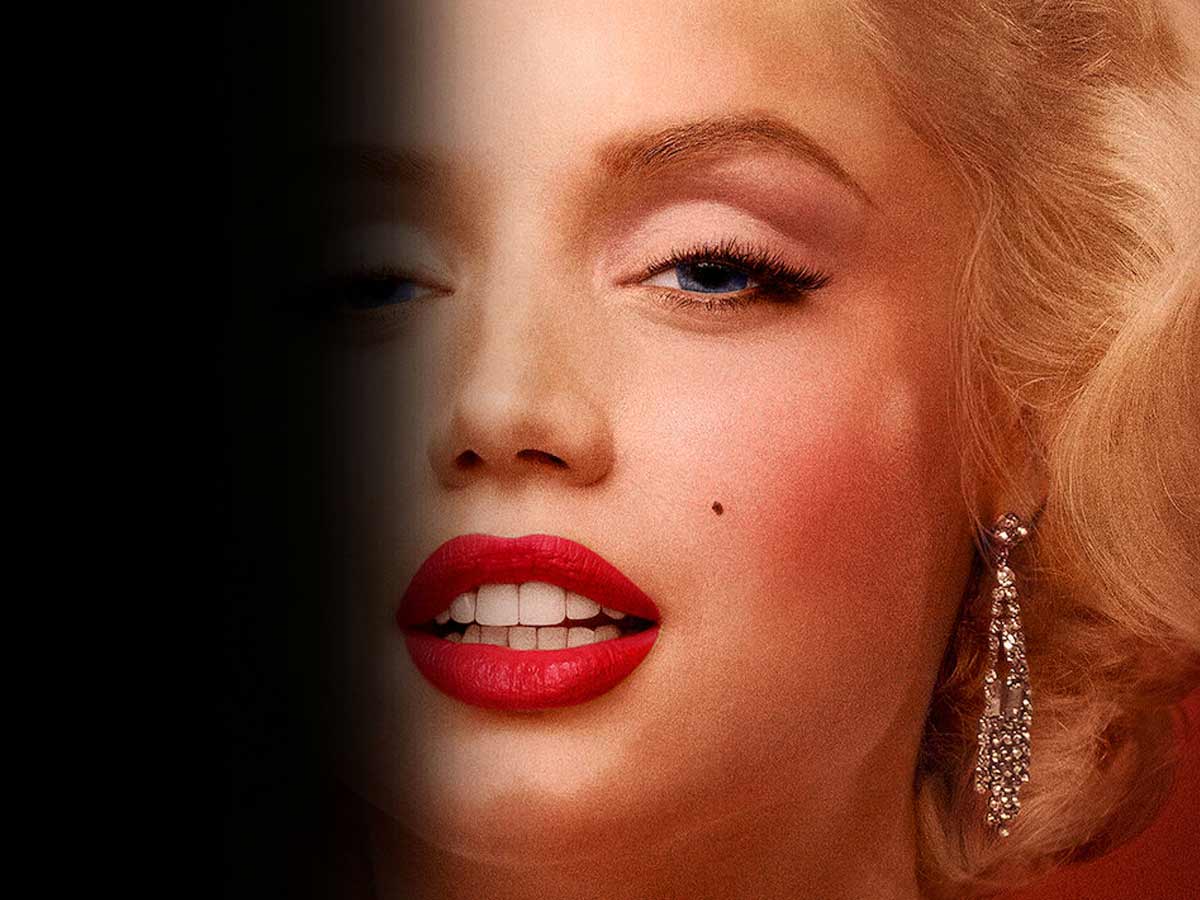
Blonde is not a ridiculous biopic that is charming and wholesome. It’s a raw, stylized, and fictionalized portrayal of the life of a renowned star. It is inspired by events, such as Marilyn Monroe’s marriages, as well as scandals and rumors, such as the one involving President John F. Kennedy.
Of rumors, controversies, and public displays. Surprising findings and distressing moments… Blonde is made up of these elements. The film is not a biopic, nor is it a biography of Marilyn Monroe. Blonde is simply a prism reflection of the legendary Hollywood star.

This prism is from Joyce Carol Oates’s 2000 novel Blonde. Indeed, the book permits more of Monroe’s existence to seep through its pages than director Andrew Dominik does through his screen. His film accentuates and dives through the lows of Monroe’s life in a highly stylized fashion, and the result is a fantastic Ana de Armas as Monroe, sucking you in further while she drowns in her miseries.
Blonde, starring Ana de Armas, received an almost 14-minute standing ovation at the Venice Film Festival, where it premiered. We witness Norma Jeane Mortenson, a little girl who has been traumatized by her mother, who blames her for her absent father. Gladys Pearl Baker (Julianne Nicholson), her mother, is mentally unstable and nearly kills her daughter by purposefully driving into a wildfire.
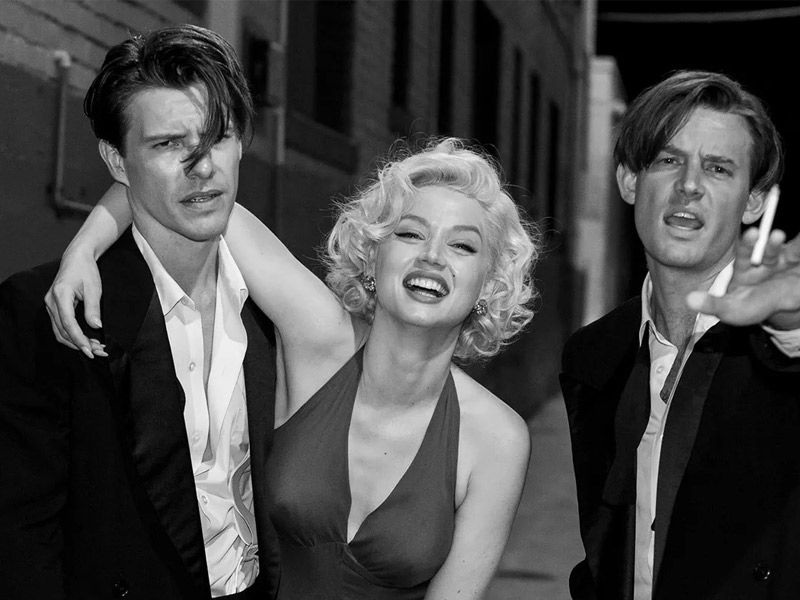
When that fails, she attempts to drown her daughter in a bathtub. Despite this, Monroe craves approval from her mother as an adult. She wishes to see the pride in her mother’s eyes and believes that finding her father will improve her mother’s mental health.
also read: Netflix Tudum The Global Fan Event
The film begins by depicting Norma through the eyes of her sober mother. It’s foggy and unstable outside. There is also a filter that smudges Norma’s image at the boundaries as if to emphasize that the person looking at her is not in their sense. Then we see Norma through the eyes of those who grow to adore her. Men in her life, admirers who have hypersexualized and objectified her, and men who professed to be acting in her best interests.
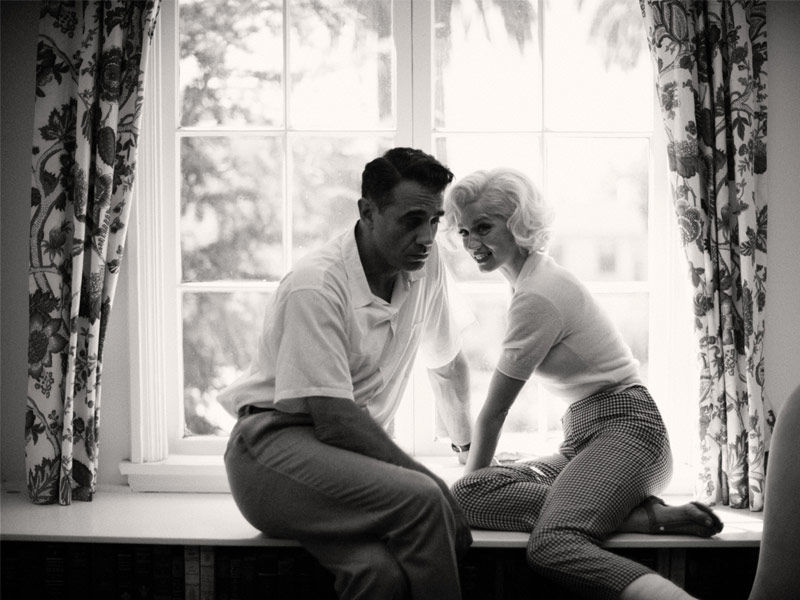
We rarely see Monroe from her point of view, but when we do, the effect is spectacular. Norma, who has never received acceptance from her family, seeks it elsewhere, and she creates Monroe to obtain the acceptance she has always desired. Norma, whenever she comes, is an innocent woman who enjoys receiving care and attention.
When Norma is faced with a difficult situation, she summons the Monroe in her to face it. It’s as though Monroe is both her armor and, in the end, her undoing. From sexual assault to abortion and miscarriage, Dominic’s focus on some sad periods in Monroe’s life compels spectators to consider their involvement in creating an unsafe workplace for actors. Norma’s struggle with the spotlight, the unwanted attention she has received, and the jobs that have only highlighted her as blonde and dumb.
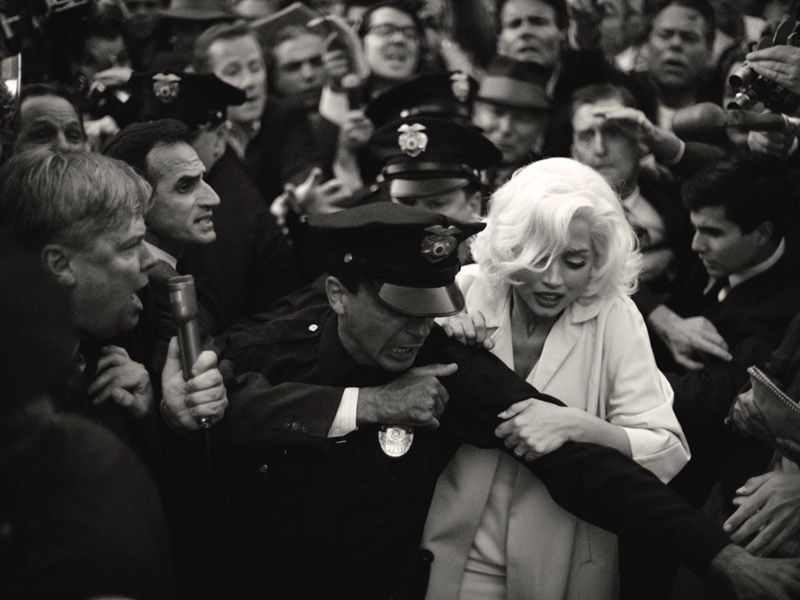
In Blonde, there is a scene in which Norma breaks down on the set of one of her films, and her struggle is with nothing but the image that she is compelled to live. Even though she repeats phrases that just repeat the image, she is unable to embrace it completely, and she is torn between the affection she continues to get and the opposing image that is growing larger than her whole life.
She then seeks the assistance of her makeup artist, Whitey, to bring out the Monroe in her. He, in fact, appears to understand Norma the best, and their connection is also the only one that truly sees Norma as a person rather than a celebrity.
The film’s overall point of view is not personal. It is not Marilyn who is speaking to us, but someone who has knowledge of her life. It’s a puzzle that you’re not supposed to put together. The film clearly does not aim to eliminate the mystery and enchantment that surrounds the great performer. Instead, it wants viewers to explore the depths of this appeal while remaining distant enough to keep the mystery alive.
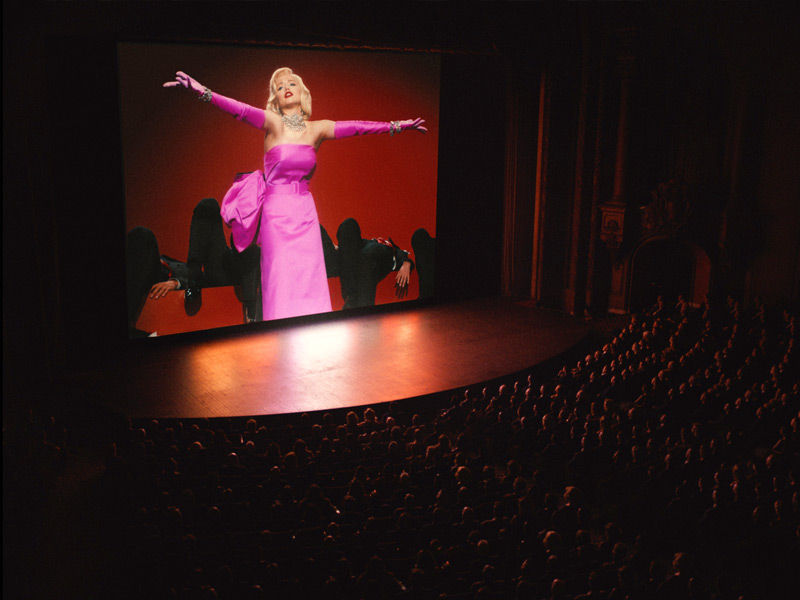
It’s the ideal blend of reality and deception, whether it’s Norma’s marriages in the film, her affairs, or the final act when she feels as if she’s being followed by someone after becoming pregnant with ‘The President’s kid. It is so well-balanced that not only Norma but also the audience begins to confuse reality with what we see on TV.
Her trademark laugh was a wall she created around herself to feel comfortable, and her grin disguised her pain. Except, in the end, nothing but silence could help Norma. She tears us apart with her real sorrow in every moment, she dares us to walk in her shoes, and she never stops hoping.
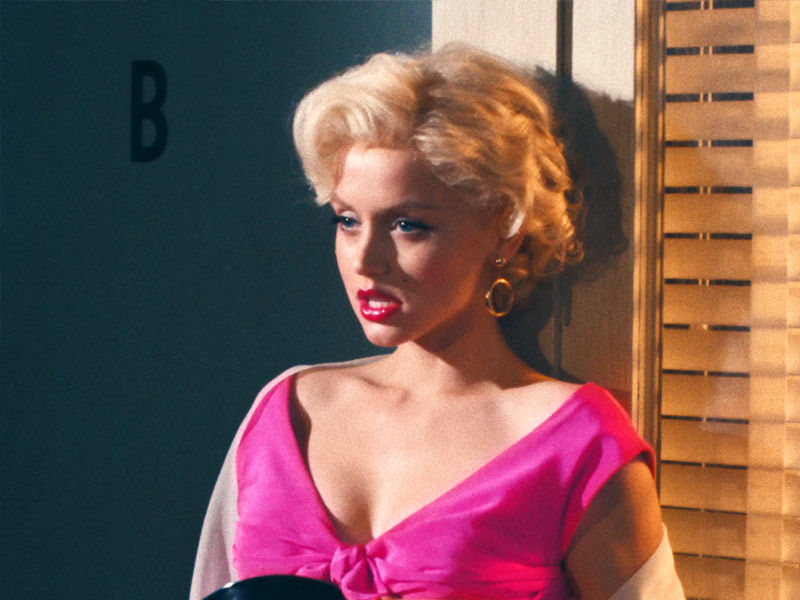
Despite everything, she longed for a future in which she could be a better mother than her mother. Only after that hope was continually thwarted did the light in her go out.
Yes, the movie is gloomy. Yes, it is agonizing and, to some extent, triggering. But if your breath froze in your throat as her rage crested or her sorrows deepened, you knew Norma intimately for that brief instant. You were her for that brief minute.
Blonde is now available on Netflix.